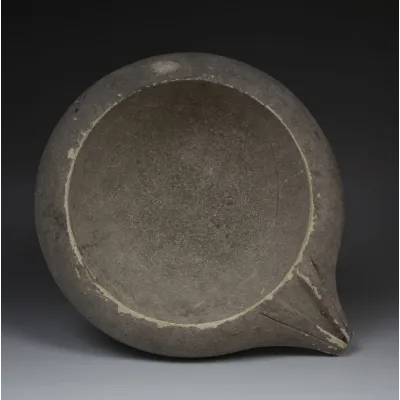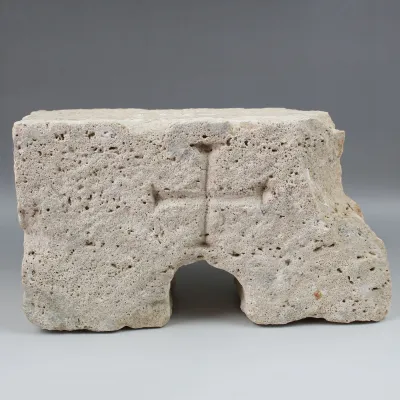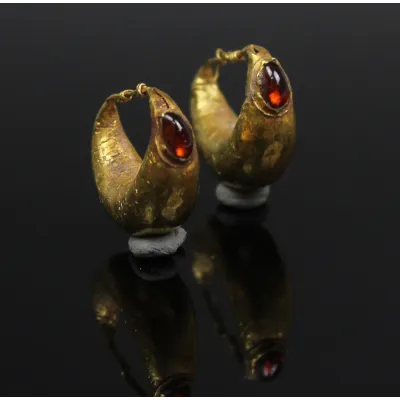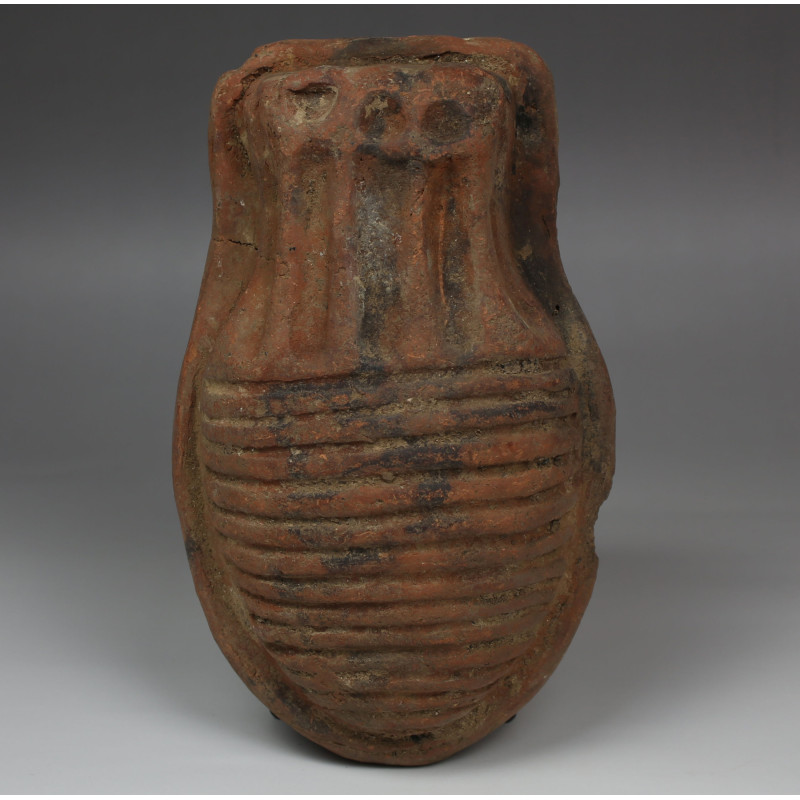
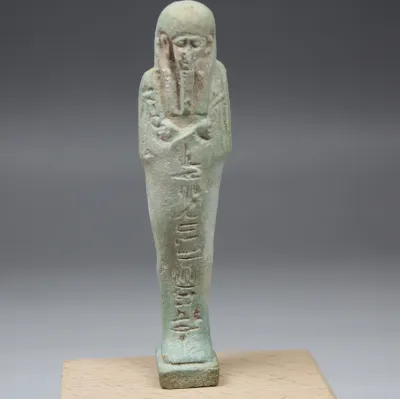
Item: Anatomical votive model of an uterus.
Culture: Etruscan.
Dating: 5th - 4th Century B.C.
Material: Terracotta.
Dimensions: 166 mm x 100 mm.
Record prepared for Antikarts from the photographs and technical information provided by the source.
Attributions and measurements are retained as cataloguing markers, without over-interpretation.
This entry is preserved in the Antikarts Museum as a documentary reference (no price displayed).
Item: Anatomical votive model of an uterus
Material: Terracotta
Culture: Etruscan
Period: 5th - 4th Century B.C
Dimensions: 166 mm x 100 mm
Condition: Good condition
General context: the item is attributed to an ancient culture and dating. This record provides a stable comparison baseline within the Antikarts corpus.
Attribution: Etruscan. Dating indicated: 5th - 4th Century B.C.
Preserved as a comparison anchor within the Antikarts corpus.
Primary value lies in typology, stated dating and the associated traceability trail.
Provenance (summary): Ex Spanish private collection In ancient Etruria, votive offerings played a significant role in religious practices and rituals.
Record preserved in the Antikarts Museum as a documentary reference.
Archived source: https://www.yourantiquarian.com/product/etruscan-anatomical-votive-model-of-an-uterus/.
Archaeological Identity Card
Material, chronological and cultural record for the object