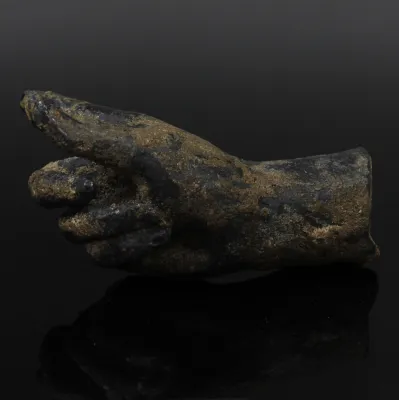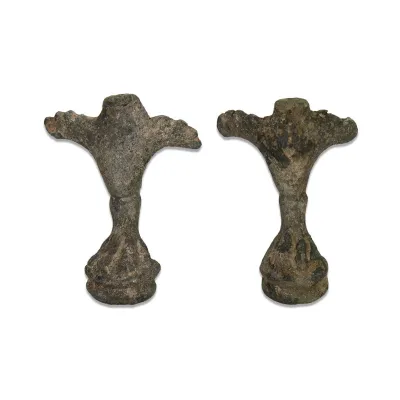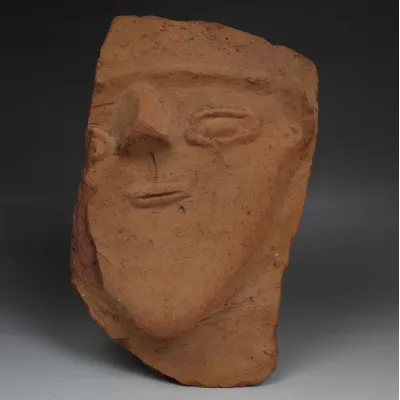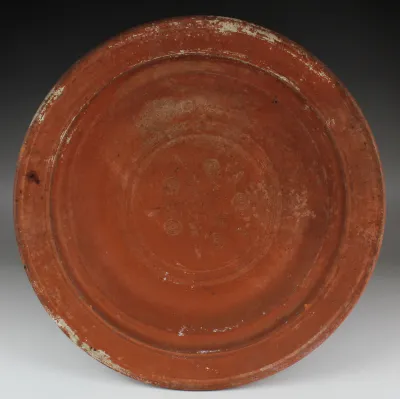
Roman, North Africa, 2nd Century B.C - 1st Century A.D, Limestone, 450 mm x 545 mm x 300 mm
Specimen observed during Antikarts catalog integration. The record is prepared from the technical and provenance information provided by the source. Photographs are preserved as condition evidence at the time of cataloguing.
Item: Ossuary with lid. Material: Limestone. Culture: Roman, North Africa. Period: 2nd Century B.C - 1st Century A.D. Dimensions: 450 mm x 545 mm x 300 mm. Condition: Good condition, restored..
Context markers: Roman, North Africa. Dating indicated: 2nd Century B.C - 1st Century A.D.
Reference record preserved for study, comparison and documentation.
Provenance: Ex French private collection, acquired before 1980 A Roman ossuary is a container or structure used to hold the bones of the deceased, often employed in funerary practices where space and custom favored the secondary burial of skeletal remains. While ossuaries are more famously associated with Jewish burial traditions in Roman Judea, similar practices were present in the broader Roman world, particularly in areas influenced by Hellenistic and Eastern customs. In the Roman context, an ossuary might take the form of a stone box, urn, or ceramic vessel, typically used after the body had decayed and the bones were collected for permanent storage.. Record preserved in the Antikarts Museum as a documentary reference. Stored documentary source: https://www.yourantiquarian.com/product/roman-ossuary-with-lid/.
Archaeological Identity Card
Material, chronological and cultural record for the object