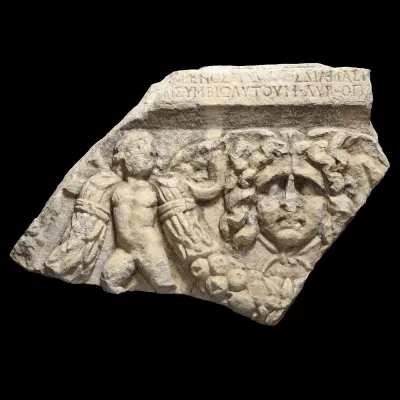
Roman, 2nd - 3rd Century A.D, Marble, 492 mm x 170 mm x 200 mm
Specimen observed during Antikarts catalog integration. The record is prepared from the technical and provenance information provided by the source. Photographs are preserved as condition evidence at the time of cataloguing.
Item: Trapezophorum (table leg) with the head of a panther. Material: Marble. Culture: Roman. Period: 2nd - 3rd Century A.D. Dimensions: 492 mm x 170 mm x 200 mm. Condition: Good condition.
Context markers: Roman. Dating indicated: 2nd - 3rd Century A.D.
Reference record preserved for study, comparison and documentation.
Provenance: Ex German private collection, H. W., Nordrhein-Westfalen, acquired before 1980 Trapezophoron, the Greek term (from τράπεζα, table, and φέρειν, to bear) given to the leg or pedestal of a small side table, generally in marble, and carved with winged lions or griffins set back to back, each with a single leg, which formed the support of the pedestal on either side. In Pompeii there was a fine example in the house of Cornelius Rufus, which stood behind the impluvium. These side tables were known as mensae vasariae and were used for the display of vases and lamps. Sometimes they were supported on four legs, the example at Pompeii (of which the museums at Naples and Rome contain many varieties) had two supports only, one at each end of the table. The term is also applied to a single leg with lion's head, breast and forepaws, which formed the front support of a throne or chair.. Record preserved in the Antikarts Museum as a documentary reference. Stored documentary source: https://www.yourantiquarian.com/product/roman-trapezophorum-table-leg-with-the-head-of-a-panther/.
Archaeological Identity Card
Material, chronological and cultural record for the object