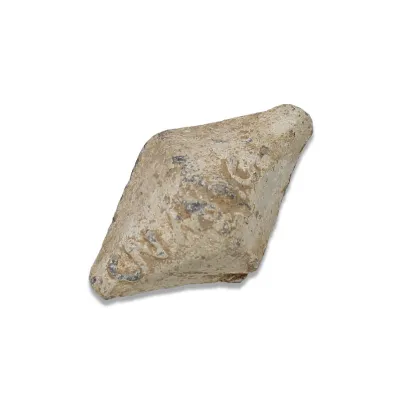
This exceptional Neolithic lithic tool comes from the UNESCO-listed site of Spiennes, a major center for flint extraction and knapping. It demonstrates the high degree of technical skill achieved by Michelsberg culture craftsmen.
The object corresponds to a side scraper from the Michelsberg culture (4500-3500 BC). The morphology, debitage technology and nature of the material confirm this cultural attribution. The site of Spiennes is recognized as one of the largest prehistoric mining complexes in Europe.
Dorsal surface showing negative scars from convergent removals with regular and symmetrical organization, demonstrating the technical mastery of the knapper.
Ventral surface smoothed by direct percussion, showing precise control of flake detachment during debitage.
Blank and edge
Ovoid outline with biconvex profile. The active lateral cutting edge shows clear scaling retouch and functional micro-polish attesting to use on wood and plant fibers.
Height: 9.5 cm. Material: light gray Maastrichtian flint with ochre nuances from the Spiennes Chalk. Intact condition with continuous archaeological patina, satiny finish, traversed by ferruginous veils characteristic of multi-millennial burial.
The Michelsberg culture represents a turning point in European Neolithic with the transition from a sedentary agricultural economy to a proto-industrial organization of stone working. The Spiennes mines illustrate this technical and social transformation.
This tool testifies to prehistoric genius and expresses mastery of gesture, emerging technical thought and aesthetic intent. It constitutes a reference piece for any collection devoted to European Prehistory.
Certified provenance from the UNESCO site of Spiennes. Discovered in 1979, the object has passed through several European private and museum collections. Official certificate of authenticity provided.
Archaeological Identity Card
Material, chronological and cultural record for the object