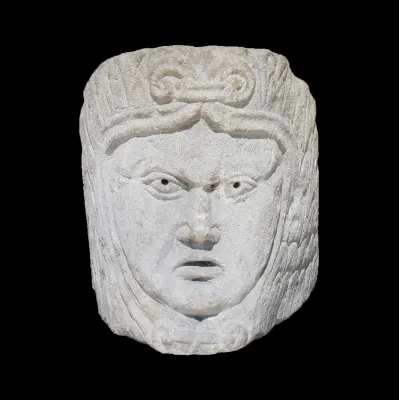
Romano-Egyptian, Ier siècle av. J.-C. - Ier siècle ap. J.-C., mosaic glass, 13 mm x 13 mm
Exemplaire observé lors de l’intégration au cabinet Antikarts. L’objet est présenté à partir des informations techniques et de provenance communiquées par la source. La photographie est conservée comme preuve d’état au moment du catalogage.
Objet : Face bead, probably Medusa. Matériau : Mosaic glass. Culture : Romano-Egyptian. Période : Ier siècle av. J.-C. - Ier siècle ap. J.-C.. Dimensions : 13 mm x 13 mm. État : Good condition.
Repères de contexte : Romano-Egyptian. Datation indiquée : Ier siècle av. J.-C. - Ier siècle ap. J.-C..
Notice de référence conservée pour étude, comparaison et documentation.
Provenance : Ex Dutch private collection, acquired before 2000s The glass mosaic beads were created using a core-forming technique, where small glass pieces were arranged and fused onto a core of molten glass. This method allowed artisans to produce a wide range of patterns and colors, using materials like blue, green, red, yellow, and white glass, which were then molded into bead shapes. Some beads were made using a process known as cane glass, where glass rods were stretched and cut into small pieces to create a mosaic effect. The beads were often cylindrical, spherical, or disc-shaped, with some featuring additional decorative elements, such as gold leaf or inlays of semi-precious stones like lapis lazuli. These beads were then strung together to create necklaces, bracelets, or other forms of jewelry, reflecting the fusion of Roman luxury and Egyptian artistry.. Fiche conservée au Musée Antikarts comme référence documentaire. Source documentaire conservée : https://www.yourantiquarian.com/product/romano-egyptian-face-bead-probably-medusa-3/.
Fiche d'identité archéologique
Notice matérielle, chronologique et culturelle de l'objet