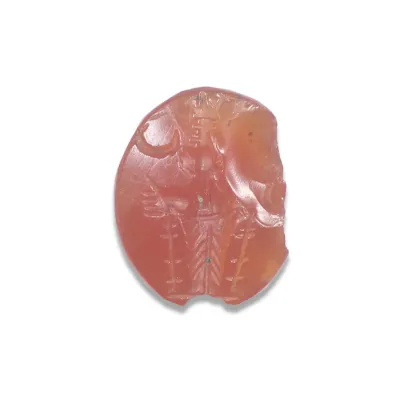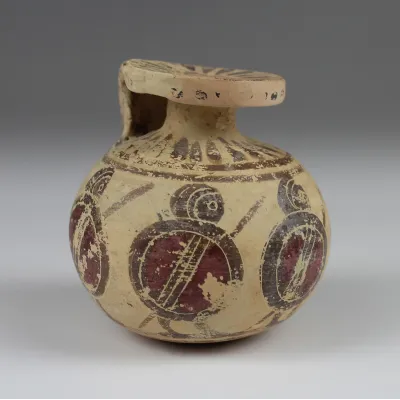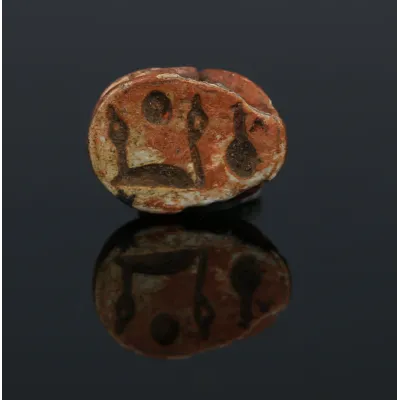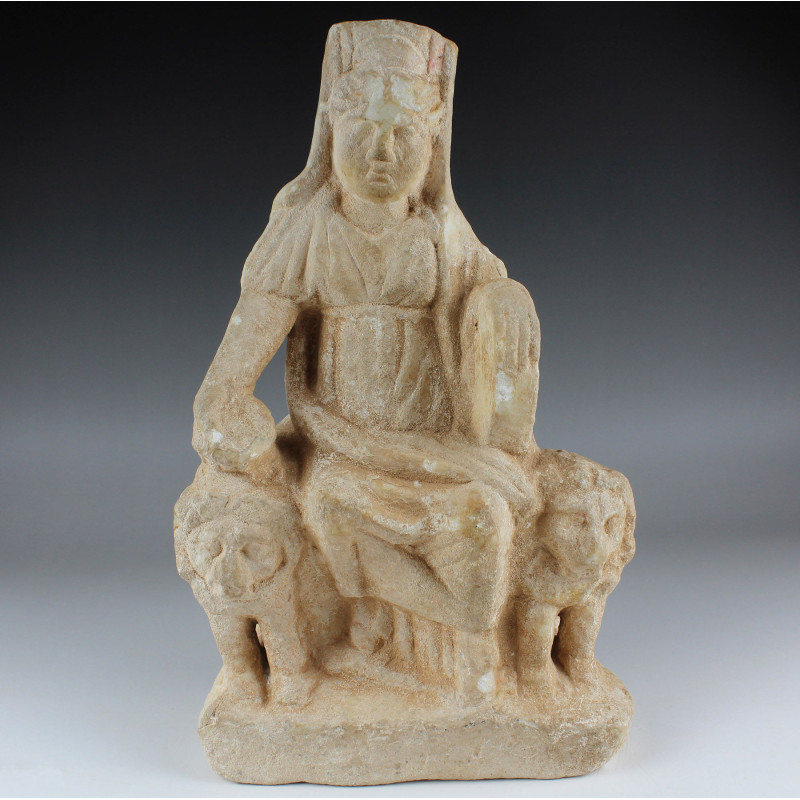
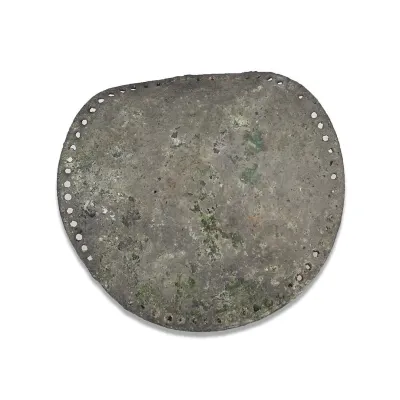
Roman, 2nd - 3rd Century A.D, Marble, 257 mm x 157 mm x 80 mm
Specimen observed during Antikarts catalog integration. The record is prepared from the technical and provenance information provided by the source. Photographs are preserved as condition evidence at the time of cataloguing.
Item: Statue of Cybele. Material: Marble. Culture: Roman. Period: 2nd - 3rd Century A.D. Dimensions: 257 mm x 157 mm x 80 mm. Condition: Good condition.
Context markers: Roman. Dating indicated: 2nd - 3rd Century A.D.
Reference record preserved for study, comparison and documentation.
Provenance: Ex German private collection, Bavarian, E.N., acquired between 1960 - 1990 Great Mother of the Gods, also called Cybele, Cybebe, or Agdistis, ancient Oriental and Greco-Roman deity, known by a variety of local names; the name Cybele or Cybebe predominates in Greek and Roman literature from about the 5th century BC onward. Her full official Roman name was Mater Deum Magna Idaea (Great Idaean Mother of the Gods).. Record preserved in the Antikarts Museum as a documentary reference. Stored documentary source: https://www.yourantiquarian.com/product/roman-statue-of-cybele-2/.
Archaeological Identity Card
Material, chronological and cultural record for the object